
Many families reach this point suddenly, after a fall or a hospital stay, or gradually as a parent finds the house harder to manage. Either way, it helps to take the decisions in a sensible order.
Start with the person
The best starting point is an assessment of what your parent actually needs, not a list of building jobs. An occupational therapist can assess how they move around the home and recommend changes, and that assessment is usually part of any council grant process. Involve your parent in the decisions: the aim is for them to stay independent and comfortable.
Common changes
- A ground-floor bedroom and shower room, so stairs are no longer needed every day.
- A level-access or walk-in shower, with grab rails.
- Ramps and level thresholds at the doors.
- Wider doorways for a walking frame or wheelchair.
- Better lighting and flooring that reduces the risk of slips and trips.
Building options
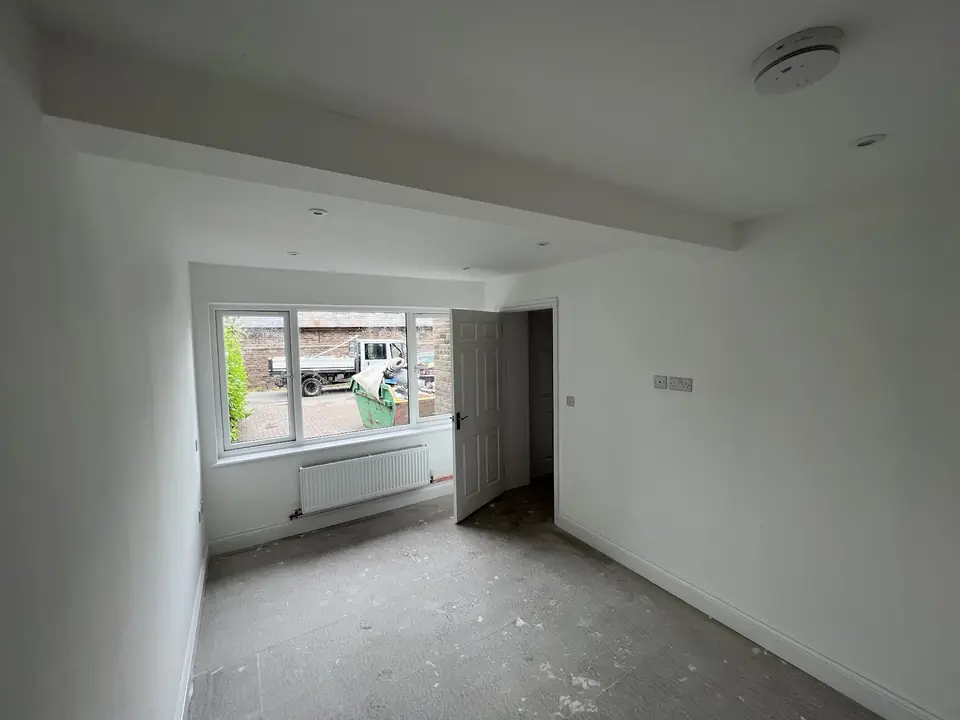
If there is no suitable room on the ground floor, the main options are to convert an existing space or build a new one. A garage conversion is a common choice. We have converted a garage into a ground-floor bedroom and en-suite for a customer's elderly mother. See our guides to garage conversion ideas, what changes the cost and building regulations. If there is no garage, a single-storey extension may suit.
Paying for it
Your council may offer a Disabled Facilities Grant towards the cost, depending on your parent's needs and finances. Read our guide to Disabled Facilities Grants in Kent, and do not start any work before the grant is approved.
Plan ahead
Needs can change, so it is worth thinking about the next few years, not just today. Wider doors and a level-access shower will suit most future needs. Ask the builder how a change now could be adapted later, and what it means for the rest of the house. See our accessible adaptations page, or get in touch for a free quote.
Common mistakes
- Waiting for a crisis. Planning early gives you time to apply for funding and choose the right option.
- Starting work before funding is approved. Work begun early can mean a grant is refused.
- Ignoring what your parent wants. A home should still feel like their home, not a clinic.
- Solving only today's problem. Wider doors and level-access showers help in many situations.
- Choosing without an assessment. An occupational therapist can identify what will actually help.
A short checklist
- Talk to your parent about what is difficult now and what may become difficult.
- Contact your council about an assessment and any grant.
- Get a clear, itemised quote for the agreed work.
- Check what building regulations or planning approvals are needed.
- Agree timings and any temporary arrangements while the work is done.
Alistair can talk you through the building side when he visits to quote.